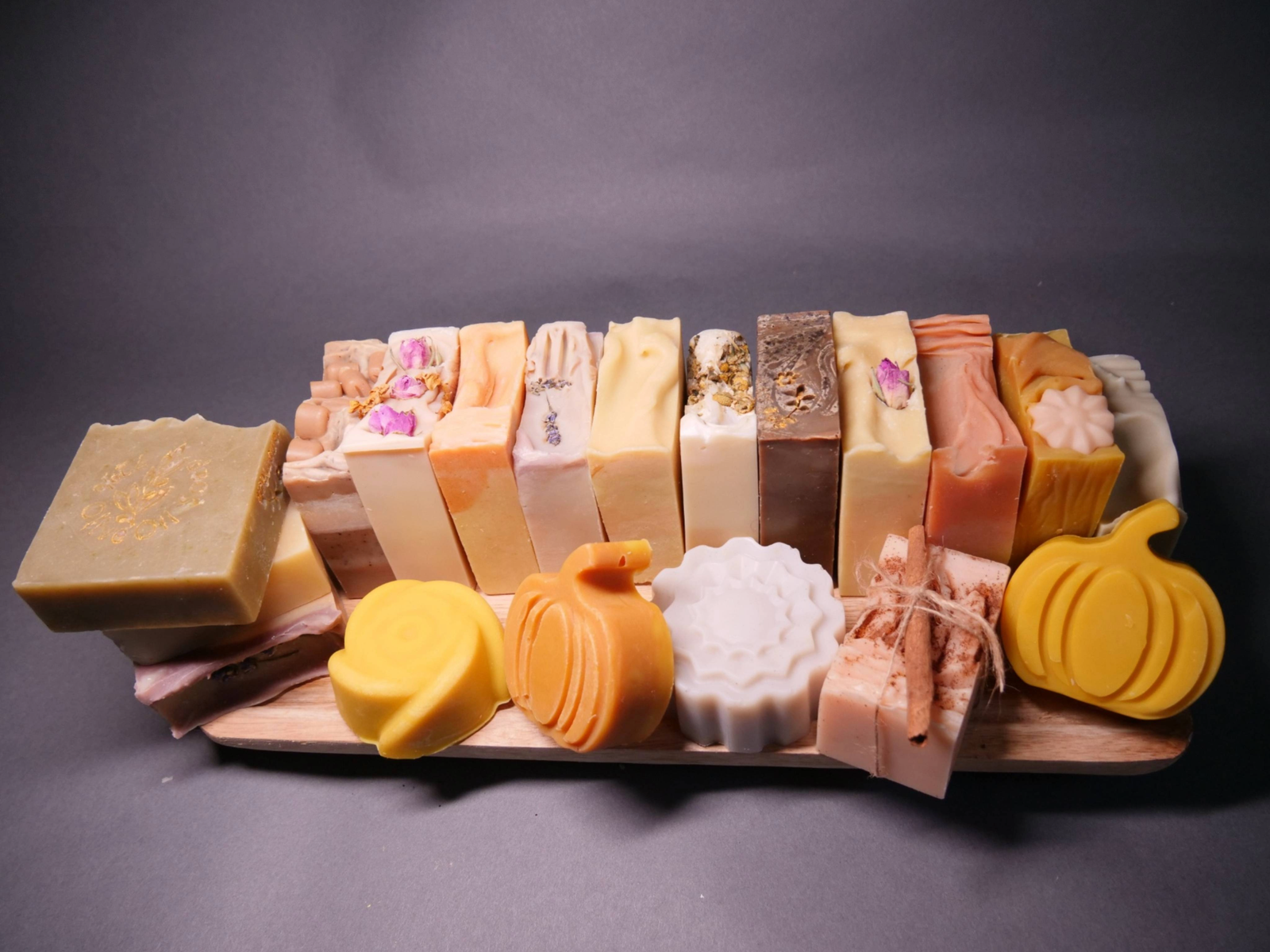
Soap or Purell? Which one works better?
When it comes to hygiene, both soap and Purell (or other alcohol-based hand sanitizers) play crucial roles, but their effectiveness can depend on the situation.
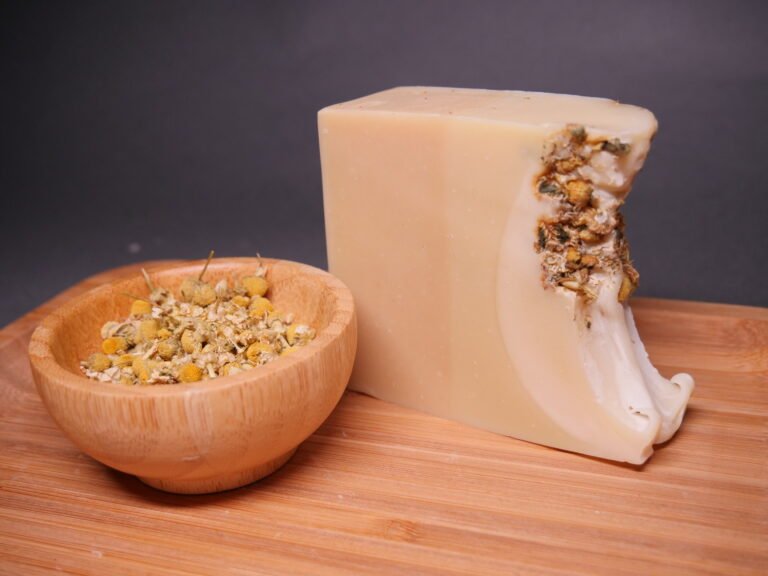
Soap: Soap and water are generally considered the best option for cleaning hands, especially when they’re visibly dirty or greasy. The mechanism of soap removes germs, dirt, and impurities from the skin through physical action. When used properly, soap and water disrupt the lipid membrane of viruses and bacteria, effectively neutralizing them. The CDC recommends washing hands with soap and water for at least 20 seconds, particularly after going to the bathroom, before eating, and after coughing, sneezing, or blowing one’s nose.
Purell (Hand Sanitizer): Alcohol-based hand sanitizers, like Purell, are a great alternative when soap and water are not available. Hand sanitizers with at least 60% alcohol can quickly reduce the number of microbes on hands in some situations, though they do not eliminate all types of germs. Hand sanitizers are most effective on clean hands and may not be as effective when hands are visibly dirty or greasy.
Conclusion:
- Effectiveness Against Germs: Both are effective, but soap and water are better for removing certain types of germs, especially when hands are visibly dirty.
- Convenience: Hand sanitizers offer convenience and are effective in reducing germs when soap and water are not accessible.
- Usage: Soap and water are preferred for thorough cleaning, while hand sanitizers are excellent for on-the-go sanitation.
In summary, the best choice depends on your current situation. If you have access to soap and water, that’s usually the best option. However, for quick sanitization when you’re out and about, an alcohol-based hand sanitizer is a very effective alternative.
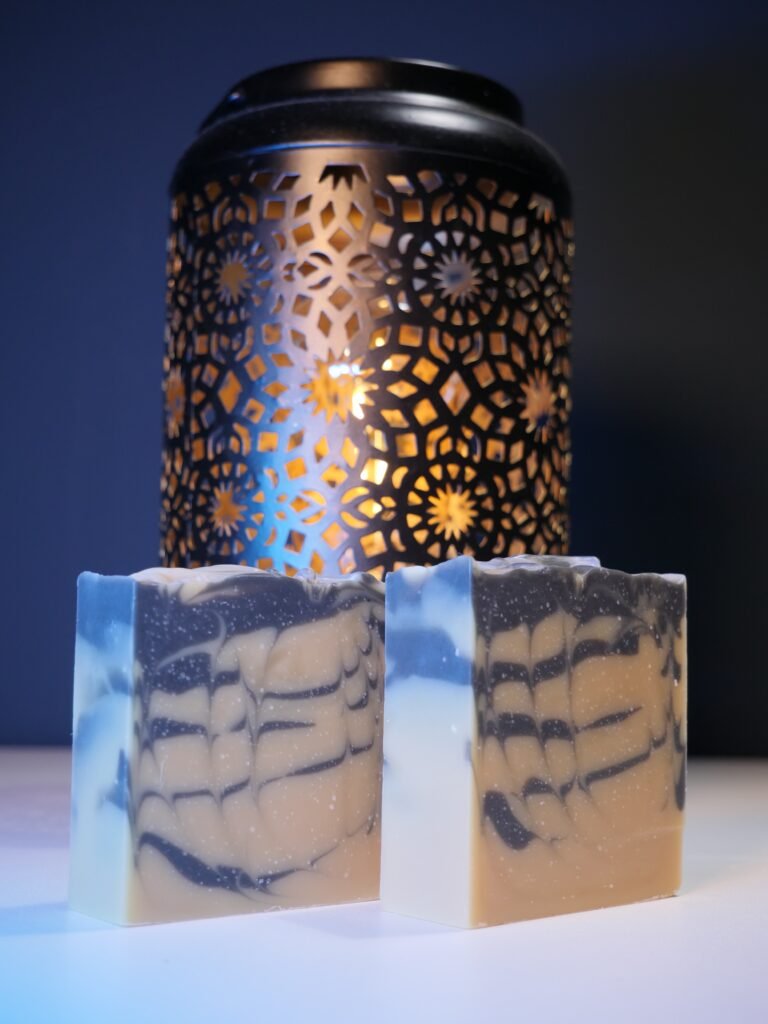

While both soap and hand sanitizers like Purell are crucial in our fight against germs, understanding their distinct mechanisms and ideal contexts of use can help maximize their effectiveness.
Mechanism of Action:
- Soap: Works by physically removing germs from the skin. When you wash your hands with soap and water, the soap molecules bind to both water and fat molecules. This unique property allows soap to dislodge and remove germs and dirt from your skin, which are then rinsed away with water. This process is particularly effective against the novel coronavirus and other pathogens because it disrupts the virus’s lipid envelope, effectively inactivating it.
- Purell (Alcohol-based Hand Sanitizer): Kills germs through a chemical process. The high alcohol content in products like Purell disrupts the protein structure of germs, including viruses and bacteria, rendering them inactive. However, this requires the alcohol concentration to be at least 60%. Hand sanitizers are particularly useful in healthcare settings or when you need to disinfect your hands quickly without immediate access to soap and water.
Scope of Effectiveness:
- Broad vs. Targeted: Soap and water work against a wide range of pathogens, including bacteria, viruses, and certain fungi. On the other hand, hand sanitizers are primarily effective against bacteria and viruses but may not be as effective against some types of germs, such as norovirus and certain parasites.
- Environmental Factors: The effectiveness of hand sanitizers can be diminished by factors like the physical cleanliness of hands, the presence of organic matter, and exposure to certain environmental chemicals. Soap and water are less susceptible to these factors, maintaining their effectiveness across a broader range of conditions.
Practical Considerations:
- Skin Health: Frequent use of alcohol-based hand sanitizers can lead to dry skin or irritation due to their alcohol content. Soap, especially formulations with added moisturizers, can be gentler on the skin with regular use.
- Accessibility and Portability: Hand sanitizers are more portable and can be used anywhere, making them an essential tool for maintaining hand hygiene on the go. Soap and water require specific facilities, limiting their availability in public spaces or during travel.

Conclusion:
Choosing between soap and Purell depends on several factors, including the availability of resources, the specific germs you’re trying to avoid, and personal preference. In general, washing with soap and water should be your first choice, especially in situations where hands are visibly dirty or after handling food. Hand sanitizers are a valuable supplementary tool, especially when soap and water aren’t readily available, ensuring you can maintain hand hygiene virtually anywhere.